

EPC Requirements for Landlords in Wales and How Solar Panels Can Help
The minimum standard is E today and C from October 2030. Why solar is usually the least disruptive way to close the gap, and why starting now costs less.
For landlords across Wales, energy efficiency is becoming increasingly important. Not only do minimum energy efficiency standards determine whether a property can legally be let, but proposed future changes could require significant upgrades to rental homes over the coming years.
Many landlords are now looking for cost effective ways to improve EPC ratings while also reducing tenant energy bills and increasing the attractiveness of their properties. One of the most effective solutions is the installation of solar photovoltaic (PV) panels.
Current EPC Requirements for Landlords in Wales
Under the Minimum Energy Efficiency Standards (MEES), privately rented properties in Wales must currently achieve an EPC rating of E or above before they can legally be let, unless a valid exemption has been registered. These requirements have applied to all privately rented properties since April 2020.
What Changes Are Coming?
The UK Government has announced plans to increase the minimum standard for privately rented homes in England and Wales to the equivalent of EPC Band C by 1 October 2030. Research suggests that around half of homes in England and Wales currently fall below EPC C, meaning millions of properties may require upgrades before 2030.
Why EPC Ratings Matter
Improving an EPC rating can deliver several benefits:
- Lower energy bills for tenants
- Improved property comfort
- Reduced damp and condensation issues
- Increased rental demand
- Potential increase in property value
- Better environmental performance
Many prospective tenants are becoming increasingly conscious of energy costs and may favour properties with stronger EPC ratings.
How Solar Panels Improve EPC Ratings
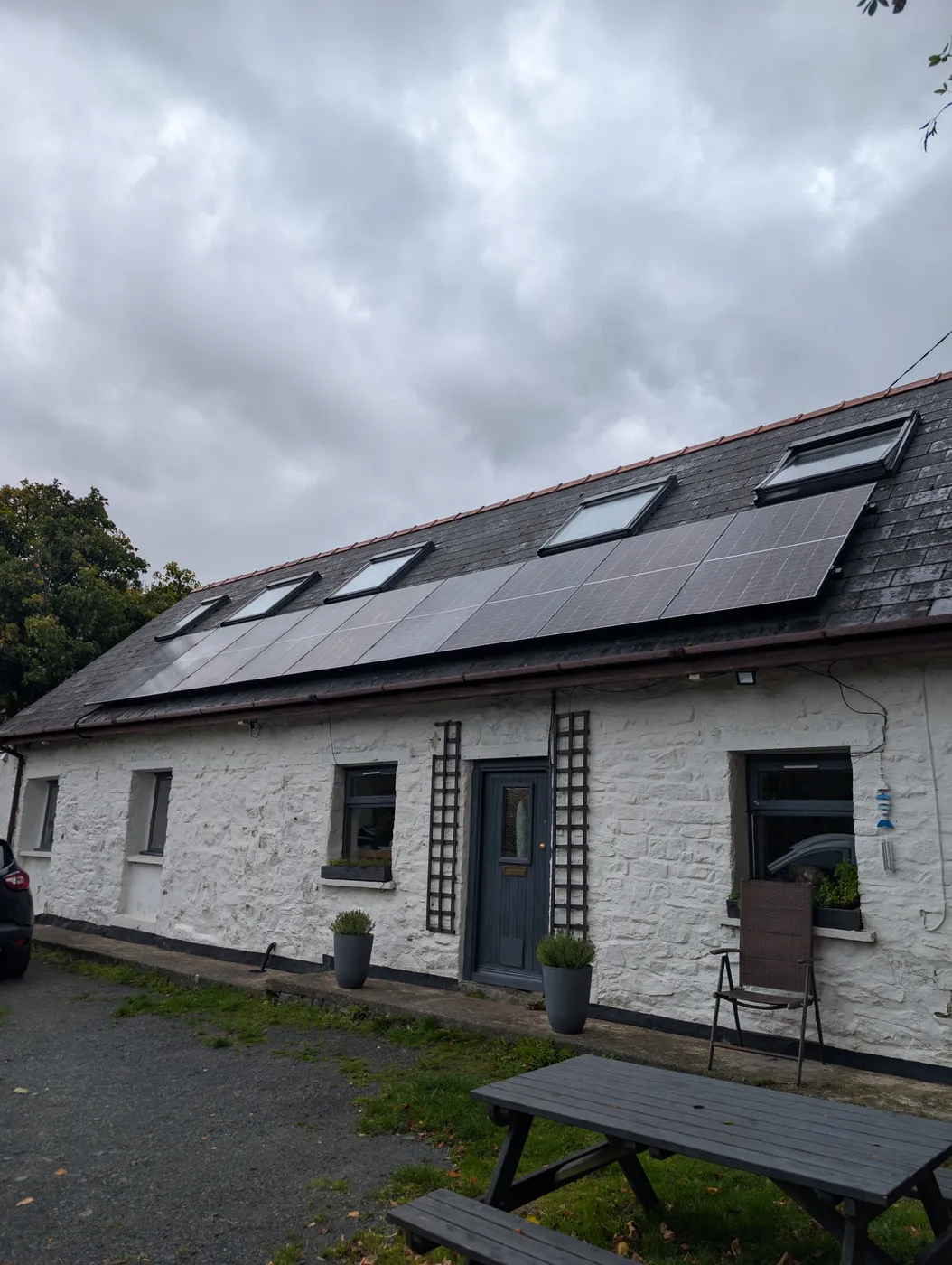
Solar panels are one of the few energy efficiency measures that can significantly improve an EPC score without requiring disruptive internal works. A typical domestic solar PV installation can often improve an EPC by around 5 to 15 SAP points, depending on the property and system size.
For example:
- A property currently scoring 63 points (Band D) may move into Band C following the installation of solar PV.
- Combined with insulation improvements, even larger increases may be achieved.
This makes solar one of the most effective EPC improvement measures available to landlords.
Why Solar Can Be More Cost-Effective Than Other Measures
Many older properties require extensive improvements to significantly improve energy performance.
Potential measures can include:
- Replacing windows
- Internal wall insulation
- External wall insulation
- Heating system upgrades
- Loft insulation improvements
While these measures can be effective, some can be expensive, disruptive and difficult to install in occupied properties.
Solar panels, by comparison:
- Require no internal disruption
- Have relatively short installation times
- Generate electricity immediately
- Continue delivering benefits for 25 years or more
- Improve EPC ratings
- Reduce tenant energy bills
For this reason, solar is often one of the first measures landlords investigate when looking to improve EPC performance.
Why Landlords Should Start Planning Now
While EPC Band C is not yet a legal requirement, the UK Government has confirmed its intention to raise the minimum standard for privately rented homes in England and Wales to the equivalent of EPC C by 2030.
For landlords, this means now is the ideal time to start considering future investment requirements rather than waiting until the final years before implementation.
A common mistake is treating EPC improvements as a reactive compliance exercise. Landlords who delay action may find themselves competing with thousands of other property owners for installers, contractors and materials as the deadline approaches. This could potentially lead to longer lead times and increased costs.
Instead, landlords should incorporate energy efficiency upgrades into their planned maintenance and asset investment programmes. By aligning solar PV installations with other scheduled works such as roof repairs, re-roofing projects, electrical upgrades, boiler replacements or property refurbishments, costs can often be managed more effectively and spread over several years.
Taking a proactive approach can also improve cash flow planning. Rather than facing a significant capital expenditure shortly before 2030, landlords can phase improvements across their property portfolio and budget accordingly.
The most successful landlords are unlikely to be those rushing to comply in 2029. They will be those who start planning today, incorporate improvements into existing maintenance budgets, and use the coming years to gradually improve the energy performance of their properties.
Speak to Alpha Energy Group
At Alpha Energy Group, we help landlords across Wales improve the energy performance of their properties through professionally designed solar PV, battery storage and air source heat pump installations. Whether you’re looking to meet future EPC requirements, reduce tenant energy bills or improve the long term value of your property, our team can assess your property and provide tailored recommendations.
Contact Alpha Energy Group today to find out how solar panels could help improve your EPC rating and future proof your rental property.